AI Fluency - Communication, Context & Model Mastery · Use AI
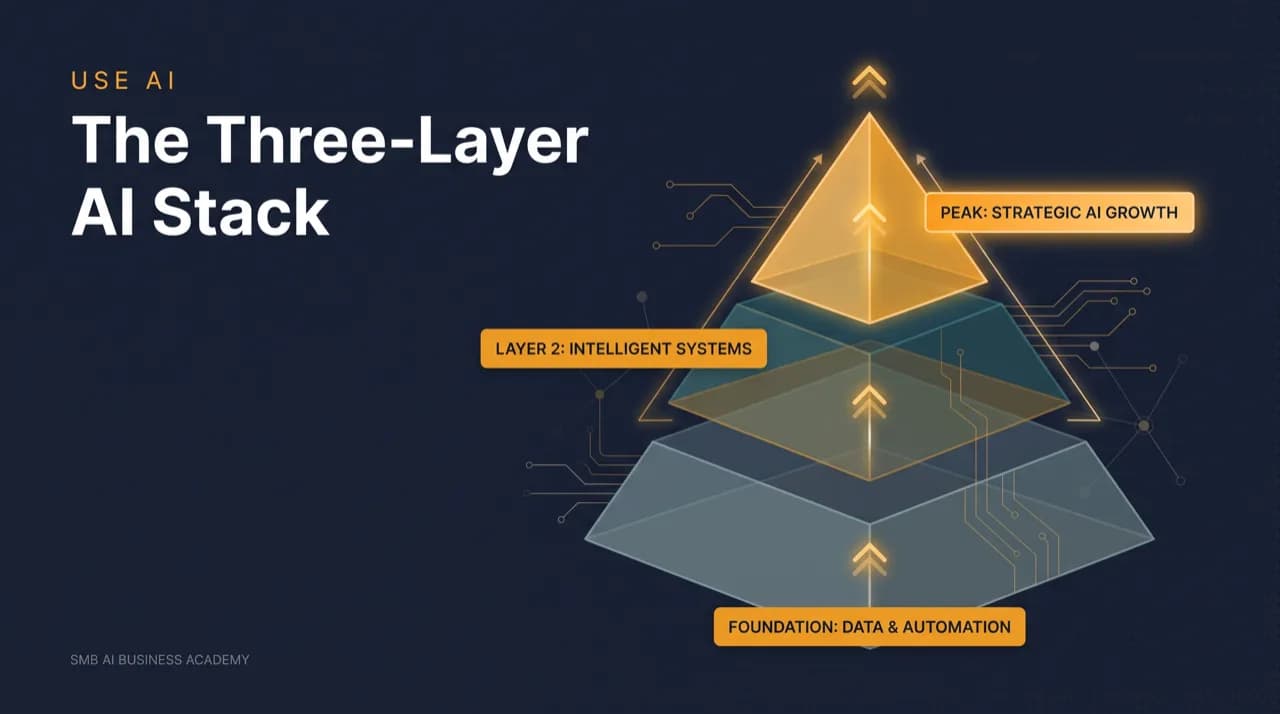
The Three-Layer AI Communication Stack
Master the progression from prompt engineering to context engineering to intent engineering - the framework that separates one-off AI use from systematic, reproducible AI workflows.
8 lessons · 280 minutes
Start courseWhat you walk away with
- Diagnose a failing prompt and fix it at the prompt, context, or intent layer
- Write reusable prompts structured around role, context, task, format, and constraints
- Design an AI's information environment from RAG, memory, context files, and assembly choices
- Draft CLAUDE.md or AGENTS.md instructions backed by what the research actually shows
- Write a first agent spec with outcomes, boundaries, and stop rules, then apply all three layers to one workflow
- A tested prompt or customer-facing workflow you can run this week. Every artifact saves to your workspace, so you keep it after the course ends.
- A knowledge-check quiz and a visual walkthrough inside every one of the 8 lessons, about 5 hours of guided work.
- Most lessons close with a checklist, template, or do-it-this-week task, so progress shows up in your work, not just in the app.
Why Your Prompts Stop Working
Understand why prompt engineering alone has become insufficient and what the three-layer AI communication stack is designed to solve.
Prompt Engineering Fundamentals: Role, Context, Task, Format, Constraints
Write consistently better AI prompts using five structural elements that work for any business task.
Context Engineering: Designing the AI's Information Environment
Move beyond one-off prompts by learning how to design the information environment that surrounds every AI interaction in your business.
The Four Context Components: RAG, Memory, Context Files, Assembly
Understand the four building blocks of a complete context engineering system and how each one applies to a real small business workflow.
CLAUDE.md and AGENTS.md: What the Research Actually Says
Apply the ETH Zurich research findings on context files to write a business context document that actually improves AI results instead of degrading them.
Intent Engineering: Defining Outcomes, Boundaries, and Stop Rules
Learn to define what an AI system must achieve for your business - not just what it should produce - using the outcome, boundary, metric, and stop-rule framework.
Writing Your First Agent Spec: The Outcome Contract
Write a complete, production-ready agent spec for one AI workflow in your business using the outcome contract template.
The Three-Layer Stack in Practice: One Workflow, Three Levels Applied
Apply all three layers - prompt engineering, context engineering, and intent engineering - to a single real business workflow and see how each layer multiplies the value of the others.